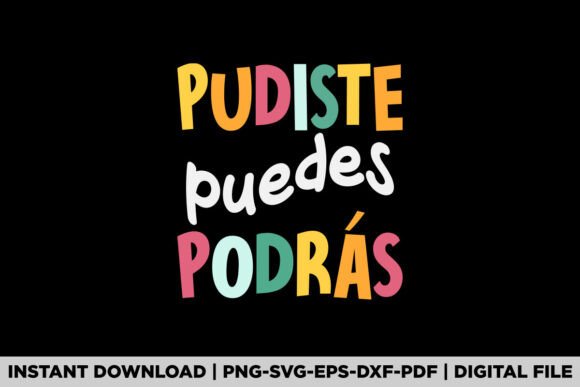
Multilingual Hispanic Heritage Spanish
As a designer and embroidery product reviewer, I often find myself evaluating machine embroidery designs with a critical eye. When I first saw the Multilingual Hispanic Heritage Spanish design, it immediately caught my attention for its cultural significance and potential to resonate with a wide audience. This is more than just a graphic—it's a statement that can be woven into countless projects.
First Impressions: A Design That Speaks Volumes
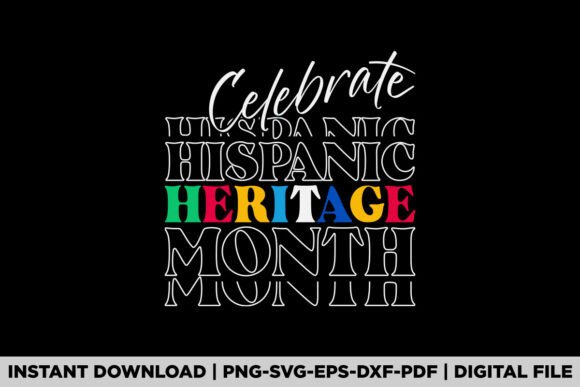
The Multilingual Hispanic Heritage Spanish design exudes warmth and inclusivity. Its layout is clean, with a balance of text and visual elements that feel intentional. The typography is bold yet elegant, making it suitable for both casual and formal applications. The use of multilingual text adds a layer of depth, allowing it to appeal to diverse audiences while still maintaining a cohesive aesthetic.
This design seems to belong naturally on custom apparel, especially t-shirts and sweatshirts. It also has the potential to shine on embroidered patches, tote bags, and even baby items where personalization is key. The level of detail suggests it’s crafted with care, but it’s not overly complex—making it accessible for both beginners and seasoned embroiderers.
Real-Life Use: From Tote Bags to Holiday Gifts
I recently worked on a custom embroidered tote bag for a client who wanted something meaningful for a family event. The Multilingual Hispanic Heritage Spanish design fit perfectly. It added a touch of culture without being overwhelming. The stitching came out crisp, and the colors were vibrant against the light fabric.
For a small business owner or an Etsy seller, this design could be a valuable addition to their product lineup. It works well as a printed mockup for digital sales, and when stitched onto fabric, it becomes a handmade product that customers will appreciate. Whether it's used on a holiday gift, a personalized item, or a boutique brand, the design feels versatile enough to adapt to different contexts.
One thing to note is that the design’s text-heavy nature means it may not work as well on smaller hoop sizes. If you're planning to use it on a cap or a patch, you’ll need to ensure the hoop size accommodates the full layout. Otherwise, parts of the design might get cut off or look distorted.
Where to Be Cautious: Fabric and Detail Considerations
While the Multilingual Hispanic Heritage Spanish design is visually appealing, it does require some attention to detail when working with certain fabrics. On textured or stretchy materials, the stitches may not lay flat as smoothly as they would on a smooth, non-stretch fabric. This is especially true if the design includes delicate elements like satin stitch or fill stitch.
Thin or dark fabrics can also pose challenges. If the design is meant to be visible on a black or dark-colored garment, make sure the thread color contrasts sufficiently. Otherwise, the text might blend in and become hard to read. For embroidered patches or aprons, using the right stabilizer is crucial to prevent puckering or distortion.
Additionally, the design’s intricate corners and tiny lettering may not hold up well on curved surfaces like caps or hats. If you’re planning to use it on a sweatshirt embroidery or a tote bag design, test it on a scrap piece of fabric first to ensure it looks as intended.
Impact on Visual Appeal and Customer Perception
When used correctly, the Multilingual Hispanic Heritage Spanish design can elevate the visual appeal of any project. It adds a sense of authenticity and thoughtfulness that resonates with many customers. As a personalized gift, it can be a meaningful way to celebrate heritage, family, or cultural pride.
From a commercial standpoint, this design has the potential to increase product value and customer trust. It shows that the creator understands the importance of cultural representation and is willing to offer something unique. For a craft business or a small shop product, this could be a strong selling point.
However, it’s important to consider how the design will look on different backgrounds. Testing it in black and white mockups can help determine if it remains legible and visually appealing across various color schemes. This is especially useful when creating digital embroidery files for resale or when preparing printable mockups for clients.
Practical Designer Notes: What to Check Before Using
Before incorporating the Multilingual Hispanic Heritage Spanish design into your next project, here are a few practical steps to take:
- Test on scrap fabric to see how the design looks and stitches out.
- Check thread color contrast against the fabric to ensure visibility.
- Review stitch density to avoid issues with thin or stretchy materials.
- Confirm hoop size to make sure the entire design fits comfortably.
- Inspect small details for clarity and sharpness.
- Test in black and white to evaluate legibility and overall composition.
- Compare light and dark fabric backgrounds to see how the design adapts.
- Use proper stabilizer for best results on tricky fabrics.
- Verify licensing before selling finished items or digital products.
These steps can help you avoid common pitfalls and ensure that the final finished product meets your expectations and those of your customers.
Conclusion: A Design That Connects and Communicates
The Multilingual Hispanic Heritage Spanish design is more than just a graphic—it's a tool for connection, communication, and expression. Whether you're an embroidery designer, a small business owner, or a hobbyist looking to create something meaningful, this design offers a range of possibilities.
With careful consideration of fabric type, hoop size, and stitch density, it can be a valuable asset in your creative toolkit. As long as you approach it with the right mindset and preparation, it has the potential to enhance your embroidery projects and bring joy to those who receive it.